Naples Uncovered: Pizza, History & Vibrant Streets in Italy's Soulful South
Discover the raw, unfiltered beauty of Naples—where ancient history, incredible food, and passionate locals collide in Italy's most authentic city.
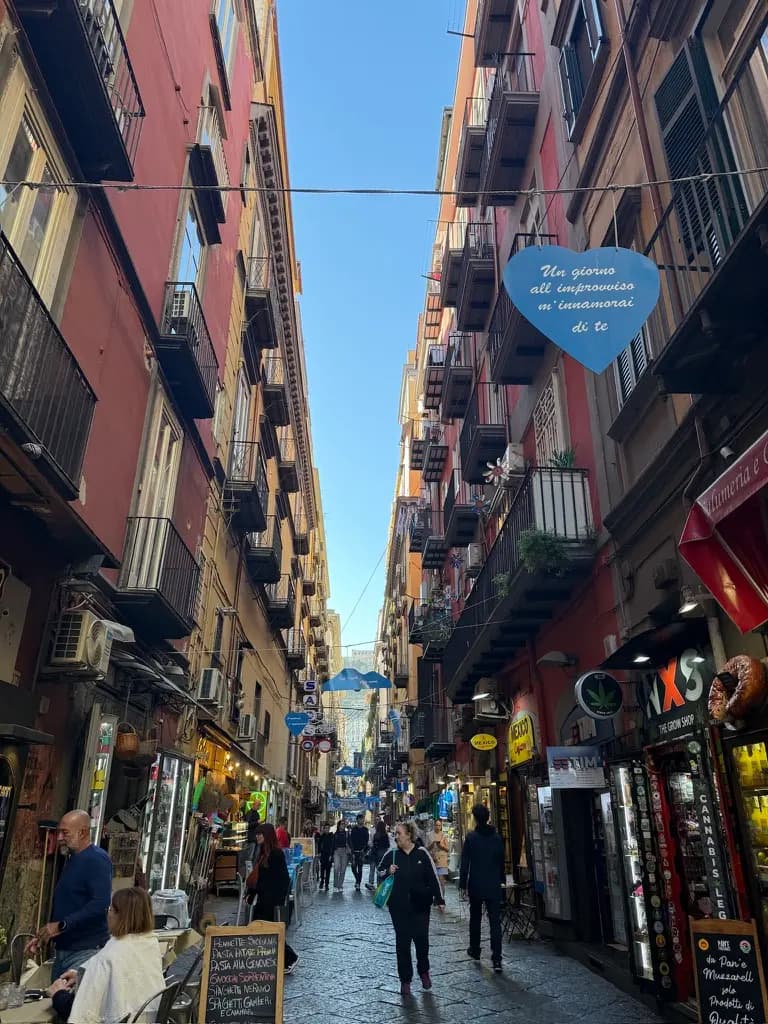
Naples isn't the polished, picture-perfect Italy you see in postcards. It's better than that. Naples is a city that feels fully alive. This is a city that doesn't apologize for being itself—a place where laundry hangs between ancient buildings, where Vespas zip through narrow alleys, and where the world's best pizza is served in unassuming pizzerias that have been perfecting their craft for over a century. It is not polished, curated, or quiet, and that's exactly what makes it unforgettable.
We spent four days in Naples, and it was one of those trips that completely changed how we think about Italian cities. We came expecting history and pizza (which we got in abundance), but we left with so much more—a deeper appreciation for authentic Italian culture, incredible food experiences, and memories of a city that pulses with life at every hour.
🇮🇹 Introduction: Why Naples?
Naples (Napoli in Italian) is the third-largest city in Italy and the capital of the Campania region. It's a city of contrasts—ancient Roman ruins sit alongside Baroque churches, while modern street art decorates centuries-old buildings. It's also the birthplace of pizza, home to some of Italy's most important archaeological sites, and a gateway to the stunning Amalfi Coast and the ruins of Pompeii.
What drew us to Naples was its reputation as Italy's most authentic city. While Florence and Venice can feel like open-air museums, Naples feels alive. It's a working city where people live, work, and celebrate life with an intensity that's both overwhelming and beautiful.
🚆 Getting There & Getting Around
Arriving in Naples
Naples International Airport (NAP) is well-connected to major domestic and International destinations. We flew in from Berlin. The airport is only 7 km from the city center. The Alibus shuttle connects the airport to the central station (Napoli Centrale) and costs around €5. Taxis are also available but more expensive.
Napoli Centrale is the main train station and connects Naples to other major Italian cities. High-speed trains (Frecciarossa) connect Naples to Rome (about 1 hour), Florence (about 3 hours), and Milan (about 4.5 hours).
Getting Around Naples
Naples is easy to navigate once you get used to its energy. We mainly used:
Getting Around Naples
Within the city
- Metro lines 1 & 2 – €1.50 per 90‑minute ticket; reliable for longer hops
- Funiculars – Montesanto and Centrale link the hills with the center in minutes
- Walking – most historic sights are clustered; plan on uneven streets and stairs
Day trips
- Circumvesuviana – frequent, cheap regional line to Pompeii / Herculaneum / Sorrento
- Campania Express – same route but reserved seats, luggage space, AC, and fewer stops; worth the premium if you want a calmer ride in peak season
🛏️ Arrival & First Impressions
We landed in Naples at 8 am after an early flight from Berlin. A citywide taxi strike was happening that morning, which made the Alibus the most reliable option to reach the city. The shuttle connects the airport directly to Piazza Garibaldi, where it is easy to transfer to Metro Line 1. Getting off at Toledo station is ideal if you are staying near the Spanish Quarter or planning to explore central Naples on foot.
We stayed at Napoli Vibes Room and Real Giardinetto a Toledo - both in the Spanish Quarter. The area is busy but incredibly central, with quick access to Toledo Metro and easy walking routes to Galleria Umberto I, Via Toledo, and Spaccanapoli.
For first-time visitors, the Spanish Quarter offers convenience and an immediate sense of daily life in Naples.
🌤️ Day 1: Arrival, Spanish Quarter, and Central Naples
We started our first day with breakfast at Luminist Cafè Bistrot, a café near Toledo. The café has a wide selection of pastries. We ordered maritozzo, brioche alla crema, or a classic cappuccino It is also close to the main walking route toward Galleria Umberto I, which makes it easy to combine with sightseeing.
Our next stop was Galleria Umberto I, an architectural landmark known for its glass dome and open interior. It is one of the easiest attractions to add on your first day because it is located just off Via Toledo. The space is bright, clean, and visually impressive, and it provides a calm contrast to the busy streets outside.
We then explored the Spanish Quarter, which is known for its narrow lanes, murals, street art, and constant activity. This area gives visitors a realistic introduction to the everyday rhythm of Naples. Many small shops in this neighborhood offer limoncello tastings, making it a convenient place to try this local specialty. Even in late October (shoulder season), the area was lively from morning until night.
For lunch, we visited L’Antica Pizzeria da Michele, one of Naples’ most famous pizzerias.They only serve Margherita and Marinara and the prices are low. It also got feature in the film Eat Pray Love. Queues can be long during peak hours, so arriving early or outside the lunch window can reduce waiting time. Despite its popularity, it remains one of the most affordable traditional pizzerias in the city.
Later in the day, we continued walking around the historic center and stopped at Il Cuoppo for fried seafood. This area is part of Spaccanapoli, a long and narrow street that divides the historic center and is known for food stalls, shops, and constant foot traffic. It is particularly good for evening visits when the atmosphere becomes livelier. We also tried a Babà (a small, mushroom-shaped cake soaked in rum) from Gran Caffè Souvenir, which is a traditional Neapolitan dessert.
We sat down at Taverna 69 for pasta, gnocchi, and a round of limoncello and ended our day at La Scimmietta, a well-known spot for gelato and tiramisu. It is a convenient stop if you are exploring central Naples and want a late-night dessert.
Overall, Day 1 offers a balanced introduction to Naples, combining essential landmarks, central neighborhoods, and local food experiences. It is a suitable first-day plan for adjusting to the city’s pace while covering easily accessible areas around Toledo and the Spanish Quarter.
🏛️ Day 2: Day Trip to Pompeii from Naples
Pompeii is one of the most popular day trips from Naples, and it is easy to reach using public transport. We started the morning with cappuccino and sfogliatella at Caffè Kenon, a good option if you want a quick traditional Neapolitan breakfast before catching the train. The café is known for its pastries and is located close to major transport connections, which makes it convenient for early departures.
To reach Pompeii, we took the Circumvesuviana train from Napoli Garibaldi station. Trains run frequently throughout the day toward Sorrento, and the stop for the archaeological site is Pompei Scavi – Villa dei Misteri. Even in shoulder season, the mid-morning trains can be crowded, so early departures are recommended. The journey takes approximately 35 to 40 minutes.
We purchased our Pompeii entrance tickets online, which helped avoid queues at the gate. The site is extensive and requires several hours to explore, even at a basic level. Instead of joining a guided tour, we chose to walk independently. This approach works well if you prefer flexibility and have already watched videos or read about the key points of interest. Important areas inside the site, such as the Forum, theatres, villas, and preserved streets, are well signposted, and there is enough information available for self-guided exploration.
We spent a significant amount of time walking through the site, as the weather was good and the crowds were manageable. Comfortable shoes, water, and sun protection are essential, even during October, because most of the site is exposed and involves uneven paths.
We returned to Naples on the 5:30 pm train. The return journey was also very crowded.
For dinner, we went to Antica Trattoria e Pizzeria Da Nanninella near Toledo. This restaurant serves a mix of local dishes and is dedicated to traditional, family-style cooking. We ordered frittura di pesce, pizza, and a classic Margherrita with limencello and Aperol Spritz. It is a convenient option if you want a full dinner after returning from a long day of walking.
Overall, Day 2 is ideal for visiting Pompeii at a comfortable pace. The day combines an easy morning start, direct transport from Naples, and a flexible self-guided experience at one of Italy’s most significant archaeological sites.
🍕 Day 3: Vomero Viewpoints, Antignano Market, and the Archaeological Museum
Day 3 focused on exploring a different side of Naples by visiting the Vomero district, a quieter and more residential area located above the historic center. We began the morning with cappuccino and pastries at Caldarelli Dolce e Salato, a reliable café known for its wide selection of cornetti, brioche, and cream-filled pastries. It is a good option if you want a quick breakfast before heading into the upper part of the city.
To reach Vomero, we followed a walking route uphill. This is a good alternative to taking the funicular if you prefer a more scenic approach. The climb offers several panoramic points overlooking Naples, the coastline, and Mount Vesuvius. The ascent is not difficult, and it provides some of the best viewpoints in the city without requiring additional tickets or transport.
Once in Vomero, we visited Mercato di Antignano, a lively local market known for fresh produce, fish stalls, cheeses, household items, and clothing vendors. This market is ideal if you want to experience everyday shopping culture in Naples rather than a tourist-focused environment. Prices are generally lower than in central areas, and the market is suitable for buying small souvenirs or food items. The surrounding streets also offer cafés and bakeries where you can take a break.
After exploring Vomero and the market, we returned to the city center and headed to the National Archaeological Museum of Naples (MANN). This is one of the most important museums in Italy, especially for visitors interested in Roman history. Many original artifacts from Pompeii and Herculaneum are displayed here, including mosaics, sculptures, household items, and preserved artworks. Tickets can be purchased at the entrance, and the museum is spacious enough to explore at your own pace. Allow at least two hours if you want to cover the major rooms and exhibitions.
In the late afternoon, we walked through the San Lorenzo area, where many small eateries offer traditional Neapolitan street food. We tried fried fish and tiramisu here, which is typical of the neighborhood’s casual dining options. San Lorenzo is busy throughout the day and offers a convenient mix of food stalls and cafés if you want a simple meal close to major attractions.
Overall, Day 3 combines panoramic viewpoints, an authentic local market, and one of the most important museums in Naples. It is a balanced itinerary for visitors who want to experience a mix of local culture, history, and neighborhood exploration.
🎨 Day 4: Waterfront, Castel Nuovo, Old Naples, and the Underground Naples Tour
We started Day 4 with breakfast at Caldarelli Dolce e Salato and we ordered cappuccino cornetti with chocolate cream and pain au chocolat. This café is a consistent option for a quick and reliable morning stop, especially if you want a familiar place with a wide pastry selection before a full day of walking.
After breakfast, we headed towards the waterfront area . The walk from Toledo or Spanish Quarter to the coast is straightforward and takes you through several central streets. The waterfront provides open views of the bay, Mount Vesuvius, and Castel dell’Ovo in the distance. It is one of the most relaxing areas in Naples and offers a clear contrast to the crowded historic center. The promenade is suitable for slow walks, photographs, and short breaks by the water.
Along the way, we visited Castel Nuovo, a prominent medieval fortress located near the port. It is easily accessible from the main walking route and is worth including if you are visiting the waterfront. The castle’s exterior is its main highlight, and it is a convenient stop if you want to see key architectural landmarks without spending too much time indoors.
We then explored Old Naples, focusing on cultural spots and well-known landmarks. One of the notable points in this area is the Maradona murals in Quartieri Spagnoli and Vico del Fico al Purgatorio. These murals are significant to local culture and football history, and they reflect an important part of Naples’ identity. Visiting them gives a good sense of the strong community connection and local spirit.
In the evening, we joined a group tour of Underground Naples (Napoli Sotterranea), which we had booked online in advance. This tour takes visitors beneath the city to view ancient tunnels, cisterns, and archaeological remains. It is one of the most popular guided experiences in Naples because it offers a different perspective on the city’s long history. The tour is well-structured, suitable for most visitors, and typically lasts around 90 minutes. Booking ahead is recommended because spaces fill up quickly, especially during weekends and high season.
For dinner, we stayed in the center and enjoyed pizza and babà on our hotel balcony while watching the old town below. The historic center has numerous options for classic Neapolitan dishes, desserts, and quick meals, making it convenient to finish the day without needing additional travel.
Overall, Day 4 combines waterfront views, major architectural landmarks, cultural highlights, and a structured guided experience underground. It offers a balanced mix of scenery, history, and local character, making it a well-rounded day for exploring different layers of Naples.
Conclusion
Four days in Naples provide a balanced introduction to the city’s historic areas, food culture, viewpoints, and nearby day trips. With a central base near Toledo and the Spanish Quarter, it is easy to explore major attractions on foot, use the metro for longer distances, and plan smooth outings to Pompeii or Vomero. This itinerary covers essential landmarks, local markets, waterfront walks, museums, and popular food stops, giving you a realistic understanding of how much you can comfortably experience within five days.
If you are planning your first visit to Naples, this structure works well for travelers who prefer a mix of cultural sites, local neighborhoods, and accessible day trips.
Leave a Comment
Comments
No comments yet. Be the first to comment!
Related Posts
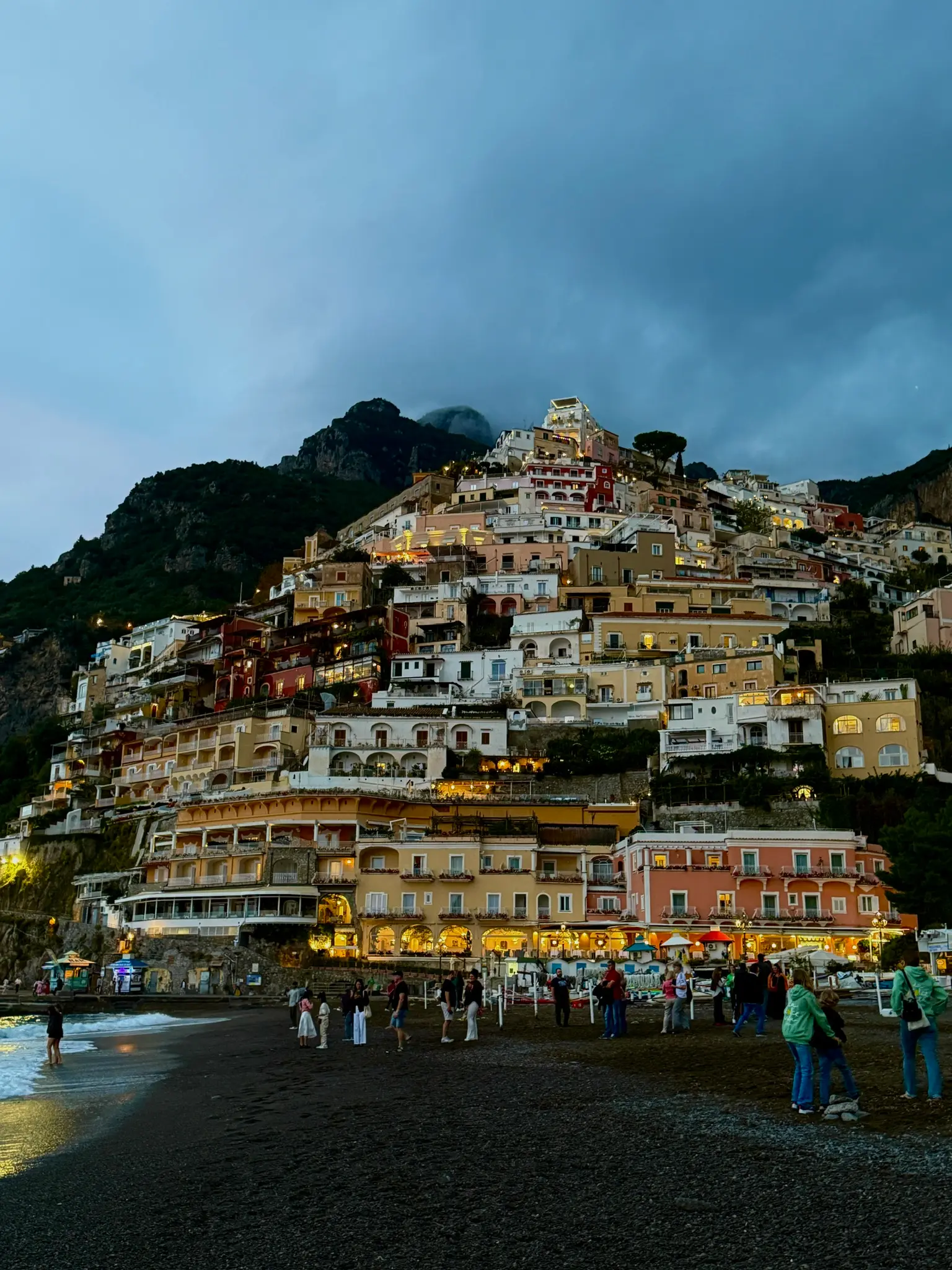
Positano in 3 Days: Cliffside Views, Coastal Walks & Slow Travel
A practical guide to making the most of Italy’s most photogenic cliffside village—boats, beach clubs, lemon groves, and evening walks along the Amalfi Coast.
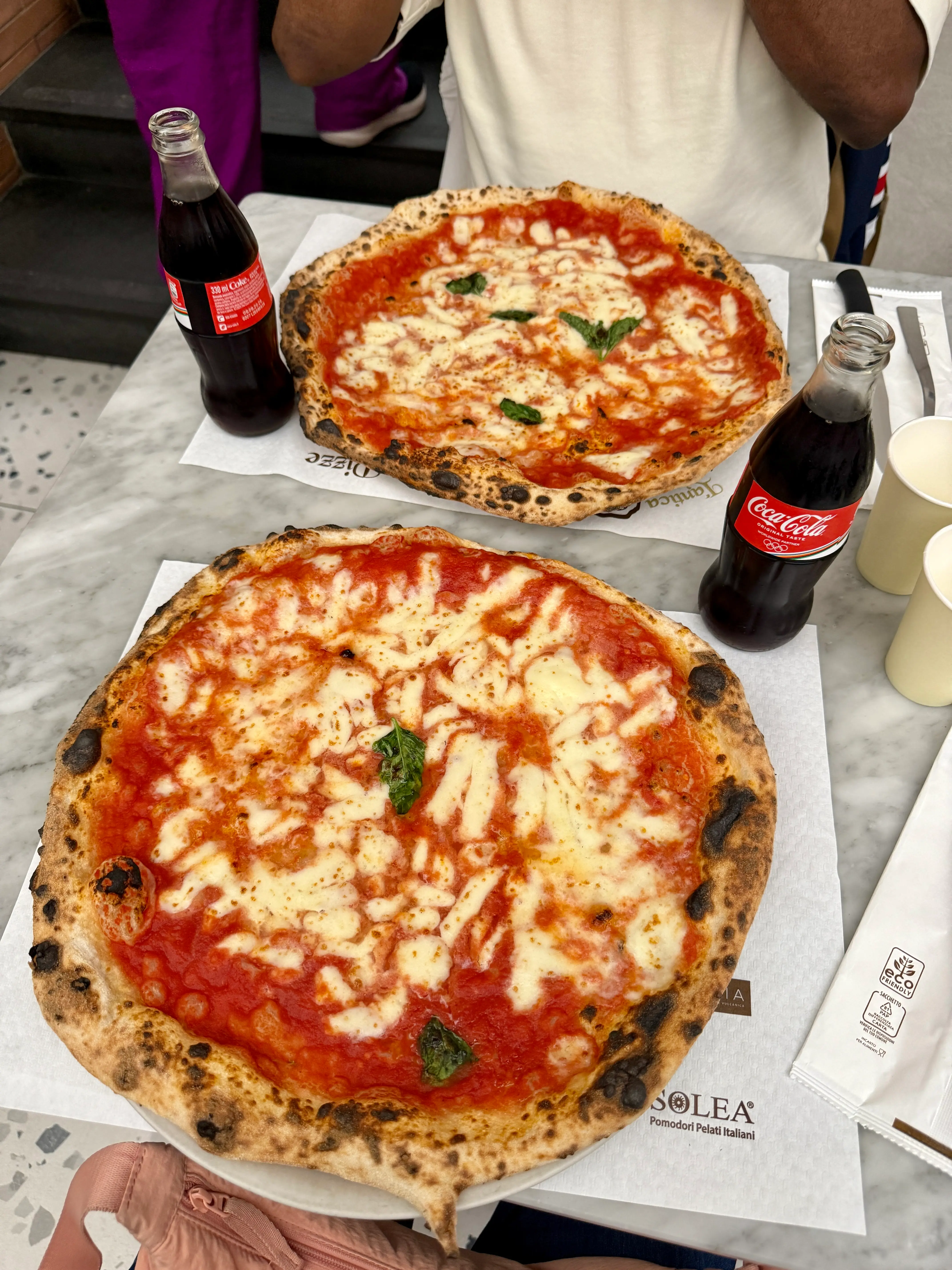
Must Try Foods in Naples: A Complete Guide to Neapolitan Cuisine
Discover the essential foods that make Naples one of the world's greatest culinary destinations—from legendary pizza to street food and traditional desserts.
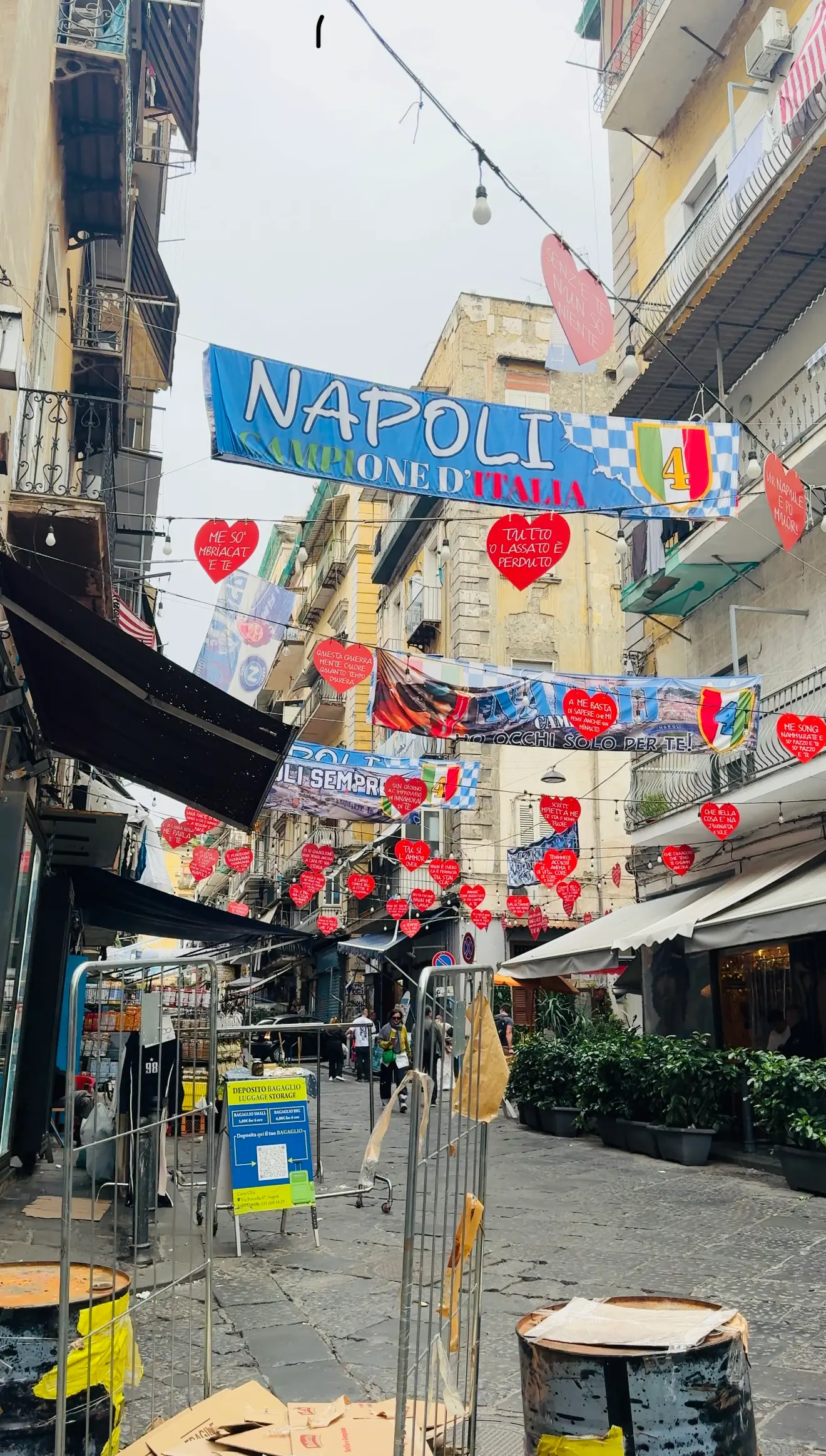
Naples Highlights: What Not To Miss (2025 Guide)
Discover the essential experiences that capture the real spirit of Naples—from historic landmarks to authentic food and vibrant neighborhoods.